
Sleep trackers can be useful. They can also make a normal night feel like a report card.
In 2026, leading consumer devices can estimate sleep duration, timing, heart rate, movement, respiratory measures, and sleep stages. Some can flag patterns that may be worth discussing with a clinician. None can look at a single night's score and tell you whether you are healthy, whether you truly had a specific sleep stage for an exact number of minutes, or why you feel tired.
Use a tracker for patterns, not verdicts. If the data helps you notice a repeatable habit or gives a clinician useful context, it is doing its job. If it makes you anxious or keeps you checking scores in bed, the device may be costing more than it gives you.
The current models in this comparison were checked in August 2026: Oura Ring 5, Apple Watch Series 11, Garmin Venu 4, WHOOP 5.0/WHOOP MG, and Eight Sleep Pod 5. Some of the product images below show the immediately previous generation; the image paths are retained from the original article.
What Sleep Trackers Actually Measure
Most consumer sleep trackers do not measure sleep the way a clinical sleep study does. A polysomnogram can record brain activity, eye movements, muscle activity, breathing, oxygen, heart rhythm, and other signals. A ring or watch usually works with fewer sensors and uses algorithms to estimate sleep from combinations of movement, heart signals, temperature, and other available data.
Sleep Stages Are Estimates
A wearable may label periods as light, deep, or REM sleep. Those labels can be useful for trends, but they are estimates. Accuracy differs between devices, algorithms, people, and nights.
That is why a number such as "53 minutes of deep sleep" should not be treated like a laboratory measurement. A device can be directionally useful without being exact.
What the Scores Can Be Good For
Trackers are often most useful for larger patterns:
- roughly when you fall asleep and wake;
- whether your sleep window is shifting later;
- whether alcohol, travel, illness, or schedule changes line up with different nights;
- whether resting heart rate or other tracked measures change from your own baseline;
- whether repeated symptoms are worth bringing to a healthcare professional.
One night rarely deserves a major conclusion.
Best Sleep Trackers in 2026
There is no single "best" tracker for everyone. The best choice depends on whether you want a discreet ring, a smartwatch, training and recovery data, or a bed system that also changes temperature.
Oura Ring 5: Best for Discreet Overnight Tracking
Oura introduced Ring 5 in May 2026. It is smaller than Ring 4 and is designed for continuous health and sleep tracking with a typical battery life of several days. The previous-generation Oura Ring 4 page remains linked here because the original article image below shows that model.
Oura is strong for people who do not want to sleep in a watch. Its app combines sleep, activity, heart-rate, temperature, and recovery-related trends into daily summaries.
The important limit is the same as with other consumer wearables: sleep stages and readiness-style scores are estimates, not diagnoses.
Apple Watch Series 11: Best for iPhone Users
Apple's current mainstream watch is Series 11. The original article linked the previous Apple Watch Series 10 and the image below still shows that generation.
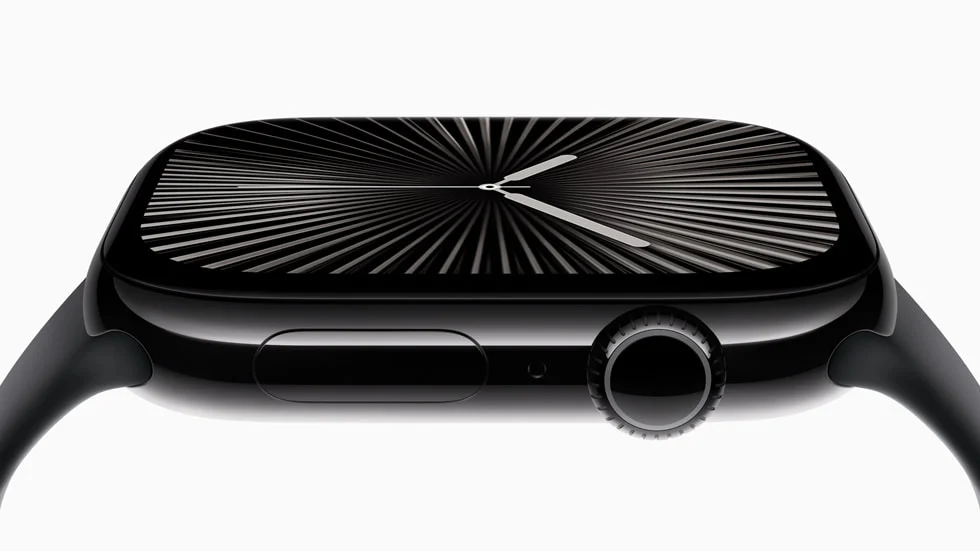
Series 11 includes sleep tracking, a sleep score, and sleep-apnea notifications in supported regions and for eligible users. Apple's sleep-apnea notification documentation is careful about the boundary: the feature can identify patterns that may be consistent with sleep apnea, but it does not diagnose the condition.
That is exactly how health alerts from a consumer wearable should be treated: as information that may justify proper assessment, not as a substitute for it.
Garmin Venu 4: Best for Training Plus Sleep
Garmin's Venu 4 is the current model in this line. The original article linked the previous Garmin Venu 3, shown in the image below.
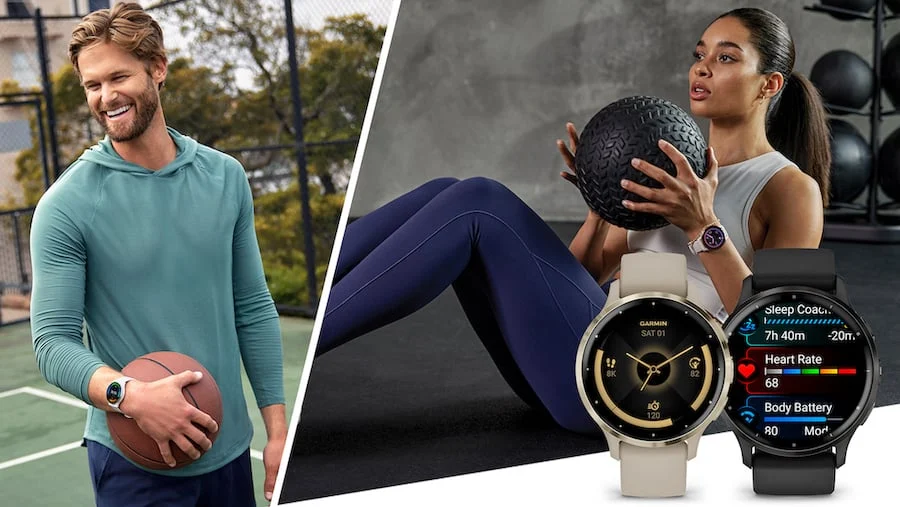
Garmin combines sleep estimates with exercise, training, heart-rate, stress, and recovery-related metrics. That makes it useful if sleep is one part of a broader fitness picture rather than the only reason you want a wearable.
As with other trackers, do not treat a proprietary recovery or sleep score as a medical result.
WHOOP 5.0 and WHOOP MG: Best for Recovery-Focused Users
WHOOP 5.0 and WHOOP MG focus heavily on strain, recovery, sleep, and coaching around those trends. WHOOP MG also includes additional health features such as on-demand ECG in supported markets.
WHOOP can suit athletes or people who want recovery data integrated with training load. Its coaching language can feel useful if you like numbers. If recovery scores make you anxious or change how you feel about a night before you have even checked in with yourself, use fewer notifications or take a break from the score.
Eight Sleep Pod 5: Best for Temperature Control
The current Eight Sleep Pod is Pod 5. It combines sleep and health tracking with active heating and cooling, and some configurations include elevation and other bed features.
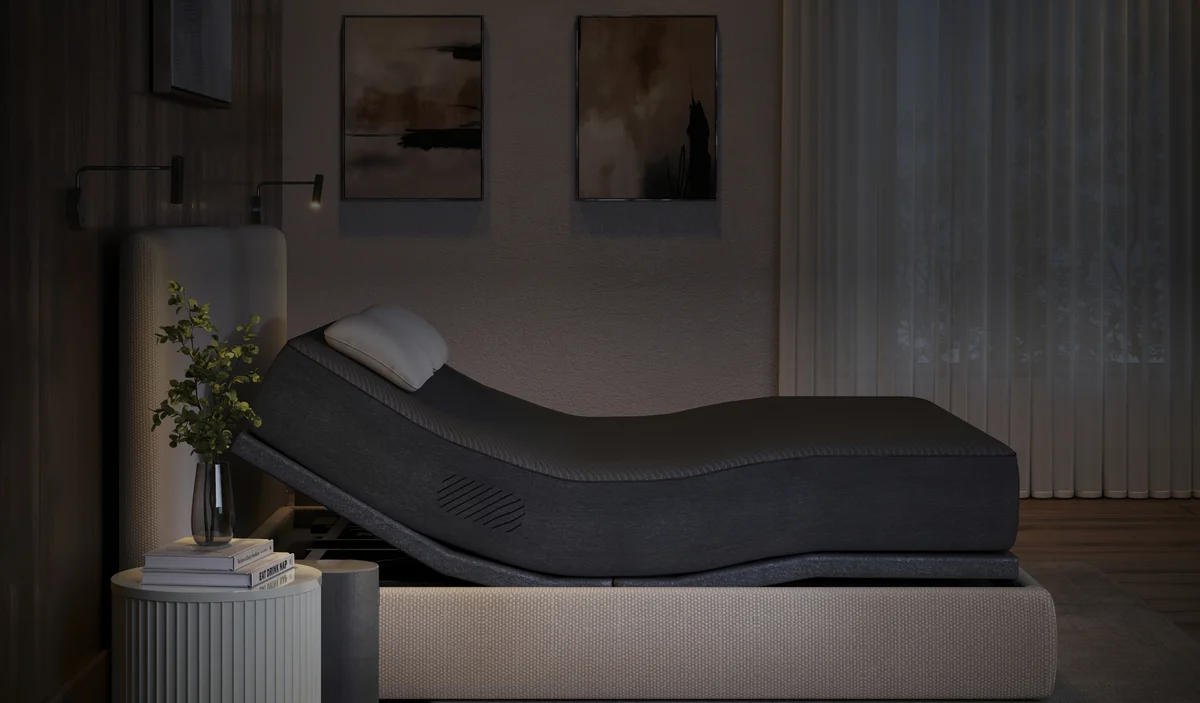
This is a different category from a ring or watch because the product can change the sleep environment as well as record data. It may be attractive to people whose main issue is temperature comfort and who are comfortable with the cost and subscription structure.
It is still not a diagnostic sleep study.
Which Sleep Tracker Is Most Accurate?
There is no clean answer that holds across every metric and every person.
Compare Against Polysomnography
The strongest validation studies compare consumer devices with polysomnography. An AASM journal study compared several consumer sleep technologies with laboratory measurement and found that performance varied by device and metric.
Oura has also published validation work, including research from the SRI International Human Sleep Research Program. Manufacturer-funded or manufacturer-linked validation can still be informative, but it should be read alongside independent work.
Accuracy Depends on What You Mean
A device may estimate total sleep time reasonably well while being less accurate at identifying individual sleep stages. Another may be useful for heart-rate trends but less reliable for wake periods when you are lying still.
So ask a more specific question than "Is this tracker accurate?" Ask which measurement you care about and whether the device has been validated for that use.
When Sleep Tracking Makes Sleep Harder
Sleep data can become a source of anxiety. The term "orthosomnia" has been used in the sleep literature for an unhealthy preoccupation with perfect sleep data or improving tracker scores.
Our article The Paradox of Sleep Tracking goes deeper into that problem.
Check Yourself Before the Score
A simple rule can help: before opening the app, ask how you actually feel.
If you felt rested and the score is low, do not let the number rewrite the morning. If you feel awful and the score looks excellent, do not let the score dismiss the symptom.
Three Good Things Can Be Enough
If tracking has become stressful, try a period with fewer metrics. You can write down only three things: when you went to bed, roughly when you woke, and how you felt in the morning. If you enjoy journaling, a simple positive-reflection practice such as Three Good Things is another option, but it is not a sleep treatment.
When to See a Sleep Specialist
A wearable should not be the final authority when symptoms are concerning.
Talk with a healthcare professional if you have persistent insomnia, loud snoring, gasping or pauses in breathing, severe daytime sleepiness, repeated unexplained palpitations, or other symptoms that affect daily life.
The National Sleep Foundation's general sleep-duration recommendations can provide broad context, but individual sleep needs vary.
Professional commentary on consumer devices has long emphasized that these tools are not replacements for medical sleep evaluation. For chronic insomnia, CBT-I is the first-line behavioral treatment.
Where Tonight Fits
Tonight is not a sleep tracker. It does not score your sleep, measure your sleep stages, or diagnose a sleep disorder.
It is an AI-guided wellness ritual designed for the period before sleep. The audio can be shaped around what you enter, but the AI does not listen or understand like a person, provide medical advice, or replace CBT-I, a clinician, or real human support.
That makes it a different tool from the wearables above rather than a competitor claiming better sleep measurement. If you want to try a low-light audio ritual without another sleep score, you can download Tonight.
Frequently asked questions
What is the best sleep tracker in 2026?
There is no single best tracker for everyone. Oura Ring 5 is a strong discreet option, Apple Watch Series 11 fits the Apple ecosystem, Garmin Venu 4 combines sleep with fitness, WHOOP 5.0 and WHOOP MG emphasize recovery, and Eight Sleep Pod 5 adds active temperature control. Choose based on the measurements and form factor you actually need.
How accurate are consumer sleep trackers?
Consumer trackers can be useful for patterns such as sleep timing, duration, movement, heart rate, and other trends, but sleep stages are algorithmic estimates. Performance varies by device, metric, person, and night. They should not be treated as equivalent to polysomnography or as diagnostic medical devices unless a specific regulated feature says otherwise.
Can an Apple Watch or Oura Ring diagnose sleep apnea?
No consumer sleep score should be used to diagnose sleep apnea. Some devices, including supported Apple Watch models, can provide notifications about breathing-disturbance patterns that may be consistent with sleep apnea. A diagnosis requires appropriate medical assessment.
Can sleep tracking make anxiety worse?
Yes, for some people. Repeatedly checking scores or trying to optimize every metric can make sleep feel like a performance. If the data is changing how you feel about a night more than the night itself, reduce notifications, hide some metrics, or take a break from tracking.