Brain Too Active to Sleep: A Gentler Way to Meet the Hour
8 min read
When your brain is too active to sleep, it isn't a malfunction — it's weather. A contrarian letter about meeting the hour without turning rest into a project.
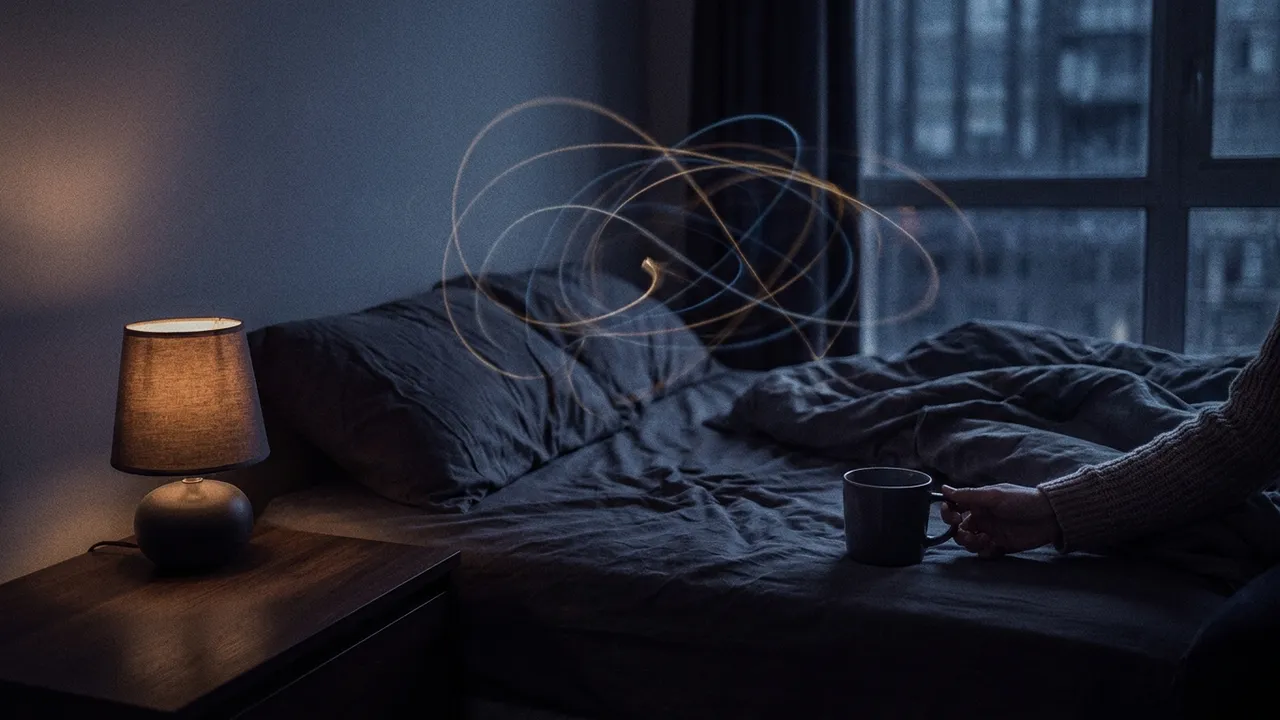
Some nights, the mind keeps taxiing. It circles, checks the wind, mutters to itself. No clearance is granted. The tower is you, and the plane is you, and the field is fog.
What if that circling is not brokenness. What if it is weather.
If your brain is too active to sleep tonight, the culture will hand you a checklist.
Human beings are not machines waiting for a firmware update.
When Your Brain Is Too Active to Sleep, It Isn't a Malfunction
Set this. Tune that. Optimize the room. There is an idea that bodies should power down on command, like laptops, like motion sensors. That if rest does not arrive, a person has failed to use the right settings. The idea is profitable. It is unkind.
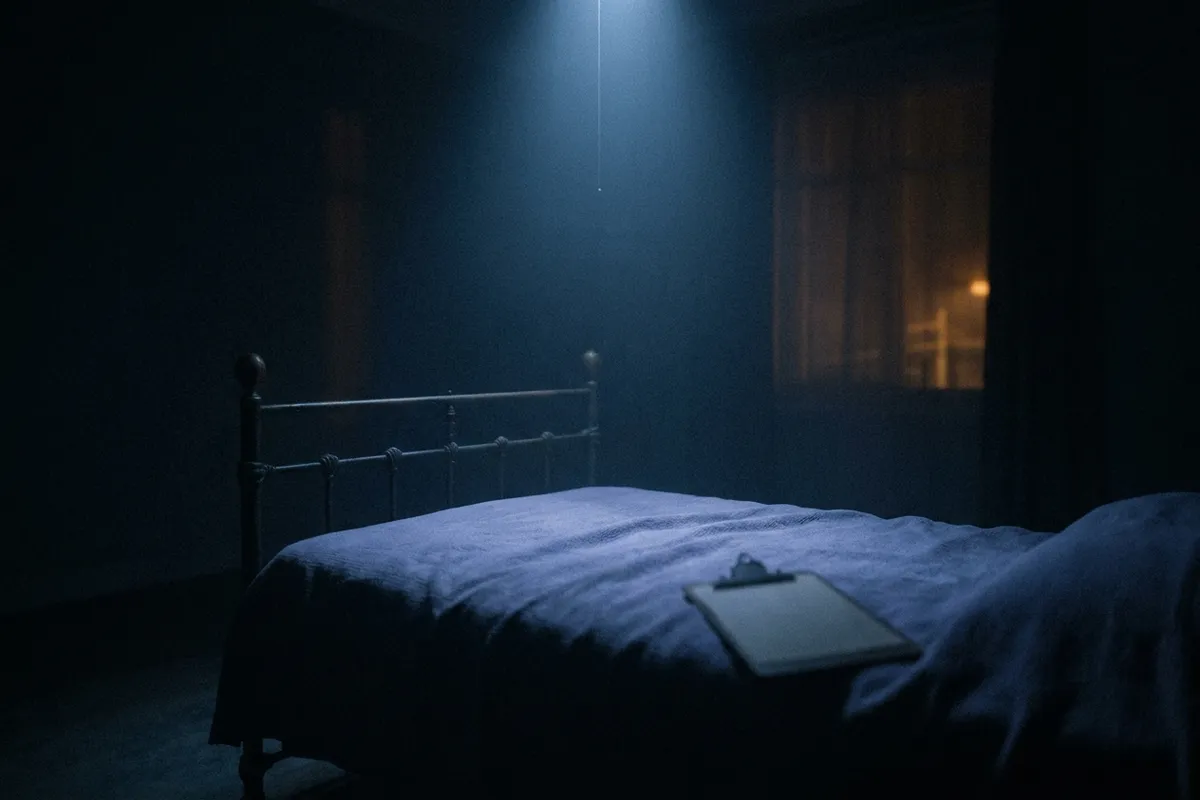
Weather can be inconvenient. It can also be respected. A thunderhead does not respond to a checklist. A checklist makes a person feel briefly in control and then, often, worse. The night becomes a job you are failing at. You lie still, and the one who grades performance sits at the edge of the bed with a clipboard.
The Ladder Leaning on the Bed
The culture is skilled at selling checklists. The language of tuning and upgrading has not spared the pillow. We have inherited a way of thinking that treats sleep as a metric, a rung on a ladder to better mornings, better emails, better anything. This ladder leans on the bed and turns it into a step stool. It is no wonder the mind, proud and stubborn, refuses to climb.
Rest is not a task. It is a place.
If rest is a place, then the question changes from "How do I get an A in sleeping" to "How might I enter that place even if the door sticks tonight." The map becomes smaller and stranger. Less efficient. More human.
Against Turning Night Into a Project
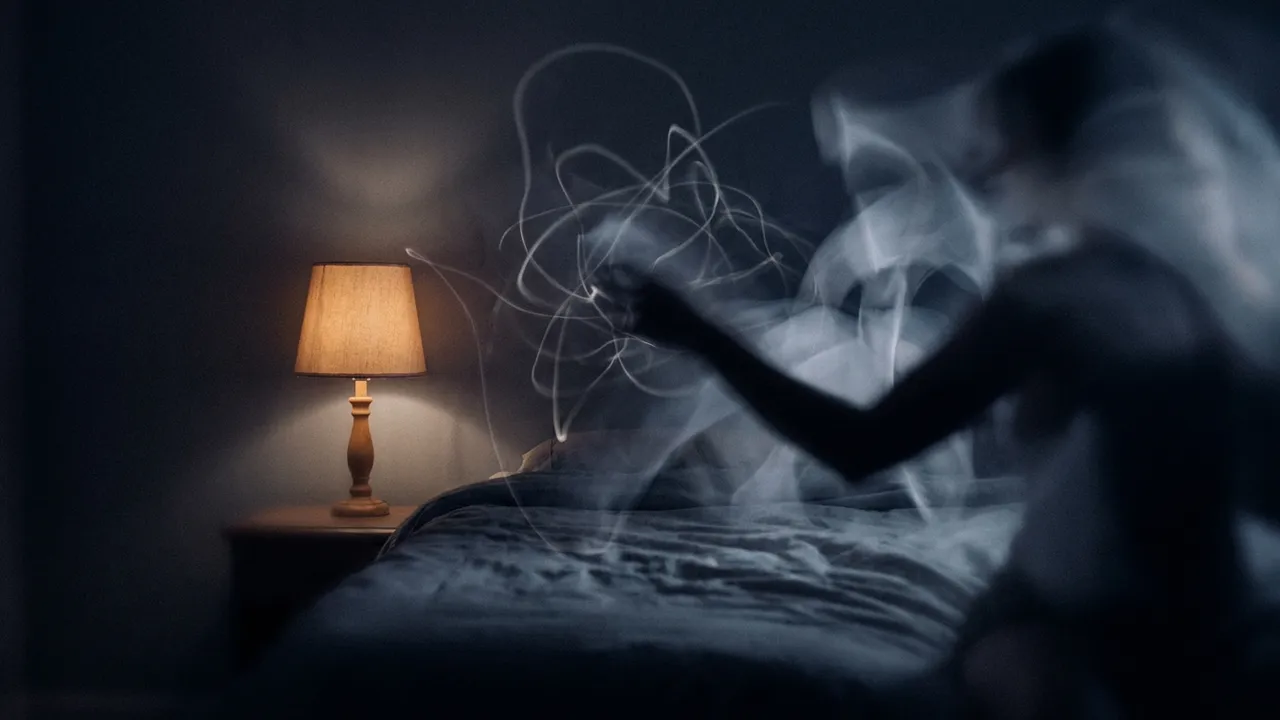
Projects have milestones and dashboards. They encourage one to break an hour into units of achievement. But the very nature of rest is that it loosens the grip of achievement. A mind that will not land often won’t because it is still mid-report. The narrator of one’s life is at the whiteboard drawing arrows.
Hand the Narrator a Pen
It is not helpful to shout at that narrator. It is sometimes helpful to hand them a pen that can write only one line, and a place to put it. Not a ledger. A small dish by the door.
Tonight’s contrarian gesture is embarrassingly simple: choose one thought—not the entire symphony, only the violin that keeps sawing—and give it a sentence. Write it, or say it. A Baylor study on bedtime writing found that offloading even a few specific lines shortened the time to sleep. Let a carefully crafted AI voice read it back with a brief nod of comprehension, and let that voice carry the sentence to morning, where nothing is saved. This is not a fix. It is a way to stop making the night into a workshop.
There are pieces here about that posture, the one that allows the hour to be imperfect and unproductive, and still worthy. You might find kinship in why some nights don’t need fixing, and relief in the vow explained in why nothing is saved.
The Single-Thought Ritual
The mind often resists broad instructions: relax, calm down, think of nothing. It is better at tasks with edges. Name one thing. Place it here. Walk away. The single-thought ritual uses this quirk. It does not ask you to abandon the entire airport. It asks you to ground one plane.
Why the Chorus Quiets
What happens next is small and ordinary: the noise drops a notch. Not because you forced it to, but because the chief complainer has been heard. The chorus is quieter when the soloist is met. This is not mystical. It is household psychology. One child wails; a parent kneels; the wail softens. The other children look up from their blocks, take note, return to their structures.
If nothing softens, the ritual is not a failure. It is an act of respect in a squall. A way of saying to the mind: I hear that you are trying very hard to keep me safe, to complete the storyboards you care about. I will meet you for a minute and hold a page. Then I will lie back down and let the rest of the pages wait.
Letting the Morning Keep What the Night Cannot
There is a mercy built into time. Things that feel uncarryable at two are often ordinary by eight. Not solved, but scaled back to human size. The ritual takes this mercy seriously and partners with it. It does not archive. It does not extract value from your reverie. The thought you name is allowed to leave untracked. That is the strange delight of being met by a voice crafted for the night rather than a generic platform: the line you wrote is acknowledged in sound, and then released by morning. If you want to know more about this gentle boundary, there is a page titled what the Whisperers carry.
The Body Keeps Its Weather, Too
Sometimes the mind will not land because the body is lit up. Too much light late — even ordinary room light suppresses melatonin onset by more than half. A conversation that vibrated the nerves. The air a few degrees warmer than kind. These are not failures. They are conditions. You can open a window. You can turn your pillow to the cooler side. You can let the body be a little animal and make its nest.
Small and Kind, Not a Program
Do what is small and kind. Do not turn it into a program. If a glass of water helps, let it help. If a paragraph helps, read a paragraph. Not in the spirit of earning something later, but as a way to be alive in this hour before you are asleep in the next.
What the Culture Forgets About Rest
The culture promises that rest pays off. It does, often. But some of the sweetest rest has no return on investment to point to. It does not make you faster. It makes you kinder to the world you move through — a finding borne out by research showing that sleep loss quietly withdraws our willingness to help others. It slows the tongue that would cut, the horn that would blare, the email that would bruise. It infuses the day with a softness that is hard to chart but easy to feel.
The Dignity of an Awake Hour
A mind that will not land is not an enemy of that softness. It is an edge case of being alive. Sometimes the edge case needs a tiny ritual to remind it that the ground still exists. Sometimes it needs a night of being awake without punishment. There is dignity in that, too.
There is a quiet place for this. We made Tonight for nights like this—one sentence, a carefully crafted AI voice, and the promise that morning will carry the rest. If a gentler hour sounds right, you can join the waitlist.
Frequently asked questions
Why is my brain too active to sleep at night?
When your brain is too active to sleep, it is often still mid-task, replaying the day or rehearsing tomorrow rather than winding down. This is not a malfunction so much as weather, a mind that has not yet been given permission to stop working. It tends to circle until it feels heard.
How can I quiet a racing mind at bedtime?
A racing mind often resists broad instructions like relax or think of nothing, yet it responds better to a single small task with edges. Naming one thought and setting it down, on paper or aloud, can let the chorus quiet because the loudest voice has been met. The aim is not to force sleep, but to stop turning the hour into work.
Is it bad if my mind won't switch off some nights?
A mind that will not land is an edge case of being alive, not a sign that something is broken. Some nights ask only to be met with a little kindness rather than a checklist. There can be quiet dignity in an hour spent awake without punishment.
Does writing down my thoughts help me sleep?
Offloading a few specific lines before bed can ease the sense that everything must be carried until morning. Letting one named thought rest somewhere outside your head, rather than archiving or solving it, can loosen the grip of the day. It is less about fixing the thought and more about no longer guarding it.
What is Tonight?
Tonight is a digital sleep ritual that helps you clear your mind and decompress. Through structured reflection and personalized, synthetic audio guidance, we provide a quiet, private space to help you find closure before you sleep. Private, ephemeral, and designed to help you rest.
The quiet list
Notes for a quieter mind.
Join the newsletter for occasional, thoughtful notes on sleep, emotional regulation, and building a calmer life. We only write when there’s something genuinely worth your while.