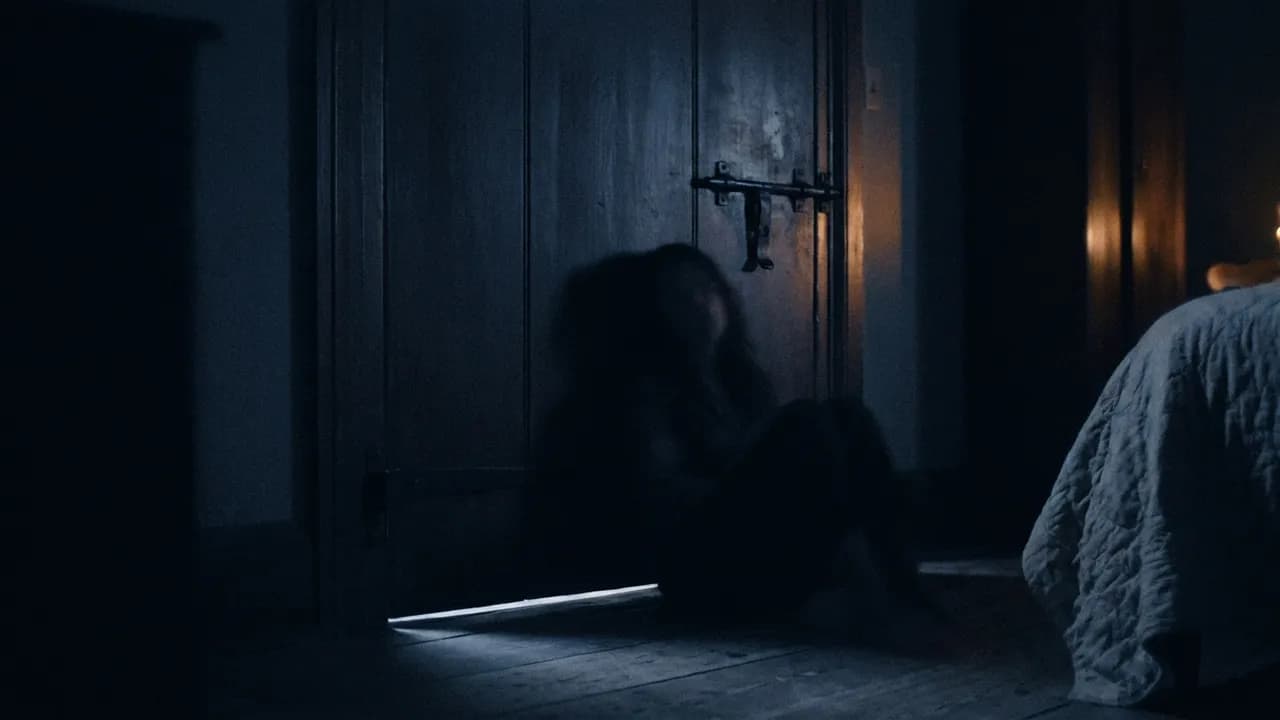

You drag through the afternoon and promise yourself an early night.
Then bedtime arrives and, somehow, you are awake enough to reorganize a drawer, start a project, send a message, or rethink your whole week.
A burst of energy at night is not automatically a late cortisol spike. Circadian timing, evening light, caffeine, stress, sleep deprivation, a naturally later chronotype, habits, and the relief of finally having unscheduled time can all contribute.
The useful question is not "Which hormone is wrong?" It is "When does this happen, what comes before it, and what happens to my sleep afterward?"
Tired All Day, but Suddenly Wired at Bedtime?
Asking From the Edge of the Bed
The contradiction is frustrating: you were tired all afternoon, then become alert when you finally have permission to sleep.
It May or May Not Be Insomnia
A second wind by itself is not enough to diagnose insomnia, and it is not proof of laziness or poor discipline. If it repeatedly delays sleep and causes daytime impairment, then the larger sleep pattern deserves attention.
Second Wind, or Revenge Bedtime Energy
Sometimes the energy is physiological. Sometimes it is behavioral: nighttime may be the first part of the day that feels like your own. The popular phrase "revenge bedtime procrastination" describes delaying sleep to reclaim personal time, not a distinct medical condition.
You may also simply have a later chronotype than the schedule you are trying to keep.
The Science of Your 'Second Wind'
Cortisol, melatonin, and circadian timing are all relevant to sleep, but they should not be turned into a simple seesaw where cortisol equals energy and melatonin equals sleep.
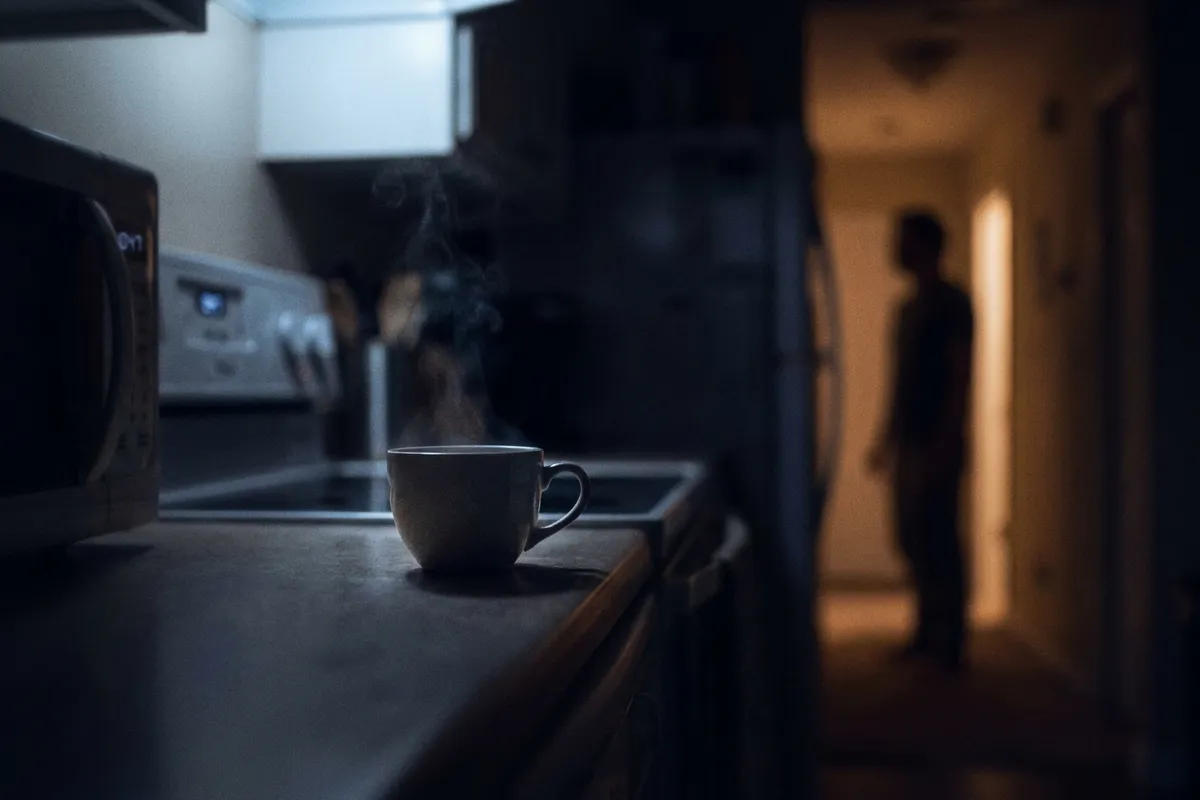
Morning Cortisol, Evening Melatonin
Cortisol usually follows a daily rhythm with higher levels around waking. Melatonin typically rises in dim-light conditions in the biological evening and helps signal circadian night.
Those are group-level rhythms. You cannot infer either hormone level from how energetic you feel at 10:47 p.m.
When Timing Gets Shifted
Late or bright light can delay circadian timing. A controlled PNAS study found that evening use of light-emitting e-readers suppressed melatonin, delayed the circadian clock, and affected next-morning alertness compared with printed books.
Caffeine can also last for hours. Intense exercise close to bed affects people differently; many people sleep perfectly well after evening exercise, while others feel more alert. Stress and late work can keep attention engaged without requiring a late cortisol surge as the explanation.
Are You a Night Owl, or Just Wired?
Chronotype describes an individual's preferred timing of sleep and alertness. Some people naturally run later.
A more pronounced and persistent delay that causes problems with school, work, or family schedules can be part of Delayed Sleep-Wake Phase Disorder, previously often called Delayed Sleep Phase Syndrome. That is a circadian-rhythm condition and deserves proper assessment rather than being reduced to nighttime stress.
Why Fighting Your Energy Can Make Bedtime Harder
The problem often becomes bigger when you turn wakefulness into an emergency.
The Clock Becomes a Small Enemy
Each clock check adds arithmetic: six hours left, then five and a half. That attention can make you more frustrated and more focused on being awake.
You do not need to say the body interprets the clock as danger or releases more cortisol. Monitoring is enough to explain why bedtime can become more effortful.
Why Forcing Sleep Backfires
Sleep is not something you can produce by trying harder. If your mind becomes especially busy, why you can't shut your brain off at night covers the problem in more detail.
The Default Mode Network is sometimes blamed for midnight rumination, but the network supports many kinds of internally focused thought. It is too broad to say it turns a stray comment into a courtroom drama whenever external tasks stop.
When the Second Wind Turns Into a Habit
If nighttime energy repeatedly leads to work, scrolling, gaming, or projects, those activities can reinforce a later schedule. That does not make the energy "dangerous." It means the behavior after the second wind matters.
Channel That Energy Into a Closing Ritual
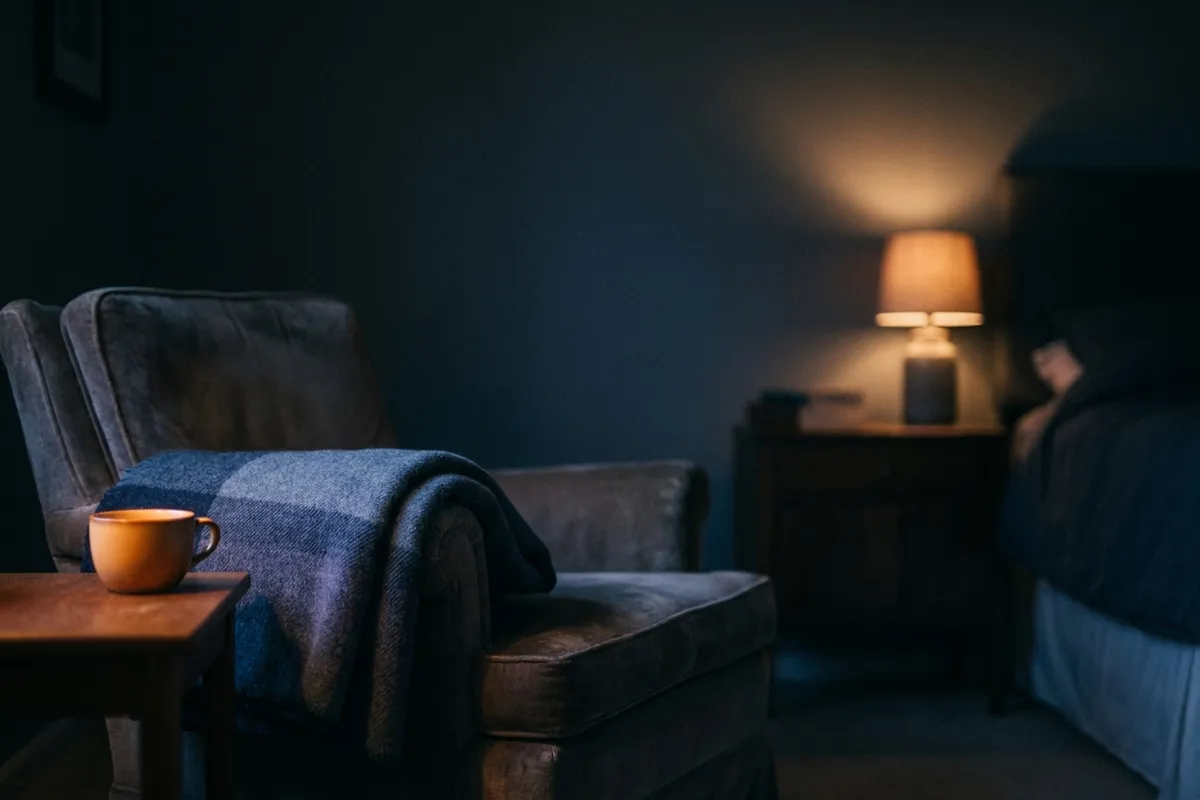
Give the Energy a Small Boundary
If you are alert, choose something finite rather than beginning a new open-ended task. Put clothes away for five minutes. Pack a bag for tomorrow. Write down the idea instead of building it tonight.
A Closing Ceremony for the Day
A wind-down routine can mark that no new projects are starting. Its value is practical: fewer decisions, less stimulating input, and a repeated boundary between daytime activity and sleep.
You do not need to say the nervous system learns an ancient language of safety for repetition to be useful.
Give the Energy the Right Assignment
If you hand late-night alertness an endless feed or work inbox, the activity may keep going. If you hand it a short task with a clear stopping point, you may find it easier to move on.
For more on repeated routines, see on ritual and rhythm.
How to Ride the Wave of Your Second Wind
Begin With Acceptance, Not Resignation
Start with a factual sentence: "I am more alert than I expected to be." You do not have to decide whether it is cortisol, stress, or your body clock in the middle of the night.
Give the Energy a Quiet Task
Try a short sequence:
- Stop checking whether sleep has arrived yet.
- If you need to do something, choose one finite, low-stimulation task.
- Lower the lights and stop work or scrolling.
- Move into a familiar wind-down activity: wash up, read, stretch, meditate, listen to audio, or simply sit quietly.
There is no need to "discharge" extra energy from the nervous system. You are just choosing behavior that does not keep the evening expanding.
A Landing Strip for Leftover Momentum
For some people, a little gentle movement feels better than immediately lying still. For others, movement wakes them up more. Experiment rather than treating either pattern as biological law.
If nighttime is the first time you have had any control over your day, address that too. Protecting a small amount of personal time earlier in the evening may be more useful than trying to relaxation-hack the final ten minutes before bed.
A Ritual to Guide Your Energy Toward Rest
Meditation Is an Option, Not an Order
"Just meditate" can be annoying advice when you are wide awake. But that does not mean meditation is the wrong tool for wired people. Some people find it helpful; others prefer reading, stretching, music, silence, or guided audio.
A Ritual With a Beginning, a Middle, and an End
Tonight is an AI-guided wellness ritual with carefully crafted voices, designed for low-light use. It can give the end of the day a simple sequence and reduce the need to choose a new activity every night.
The AI does not listen, understand, provide companionship in the human sense, or regulate your nervous system. It is also not a treatment for insomnia or a circadian-rhythm disorder.
If your nights often become mentally busy, you may also relate to when the brain is too active to sleep.
When a Second Wind Deserves Extra Care
If the pattern is long-standing, severe, causes extreme morning difficulty, or consistently places sleep several hours later than the schedule your life requires, talk with a clinician or sleep specialist. Circadian conditions can be treated with carefully timed light, schedule changes, and sometimes melatonin under appropriate guidance.
If you want Tonight as a simple wind-down option rather than a treatment, you can download Tonight.
Related reading: wired at night but tired in the morning · tired enough to ache, but not sleepy enough to surrender
Frequently asked questions
Why do I get a burst of energy at night?
A late burst of energy can have several causes, including a naturally later body clock, evening light, caffeine, stress, sleep habits, or finally having unscheduled time. It is not possible to tell from the feeling alone that cortisol has spiked.
What causes a second wind at bedtime?
Circadian timing can promote alertness later in the evening for some people, and caffeine, bright light, late work, stimulating activities, or bedtime procrastination can add to it. The pattern matters more than one hormone explanation.
How do I calm down when I have energy at night?
Stop treating the alertness as an emergency and choose a finite, low-stimulation next step. Lower the lights, avoid beginning new work or endless scrolling, and move into a familiar activity such as reading, stretching, meditation, or quiet audio. You do not need to force yourself to become instantly still.
Is a burst of energy at night the same as being a night owl?
Not necessarily. Some people naturally have a later chronotype, while others only get occasional second winds because of light, caffeine, stress, habits, or lost personal time. If your sleep timing is consistently very late and causes major problems with daily schedules, a circadian-rhythm disorder may be worth discussing with a sleep clinician.