

It can be confusing to feel lonely while someone you love is lying right beside you.
You can hear their breathing. You know the shape of their shoulder. You may have spent the whole day together. And still, once the room goes quiet, you feel far away.
If their breathing itself keeps you awake, this article may be more useful. But if the difficult part is emotional distance, start here:
Feeling lonely in a shared bed is not automatically a verdict on your relationship.
Night removes many of the ordinary signs of connection: conversation, eye contact, shared tasks, jokes, touch that is consciously returned. One person may fall asleep while the other is still thinking. That difference can feel much larger in the dark than it did an hour earlier.
Love and loneliness can exist in the same relationship. The useful question is what the loneliness is asking for.
Why Night Sharpens the Border
You do not need an evolutionary "sentinel" story to explain nighttime loneliness. Research on sleep timing in traditional groups does not show that modern loneliness in bed is the body checking whether the village fire is safe.
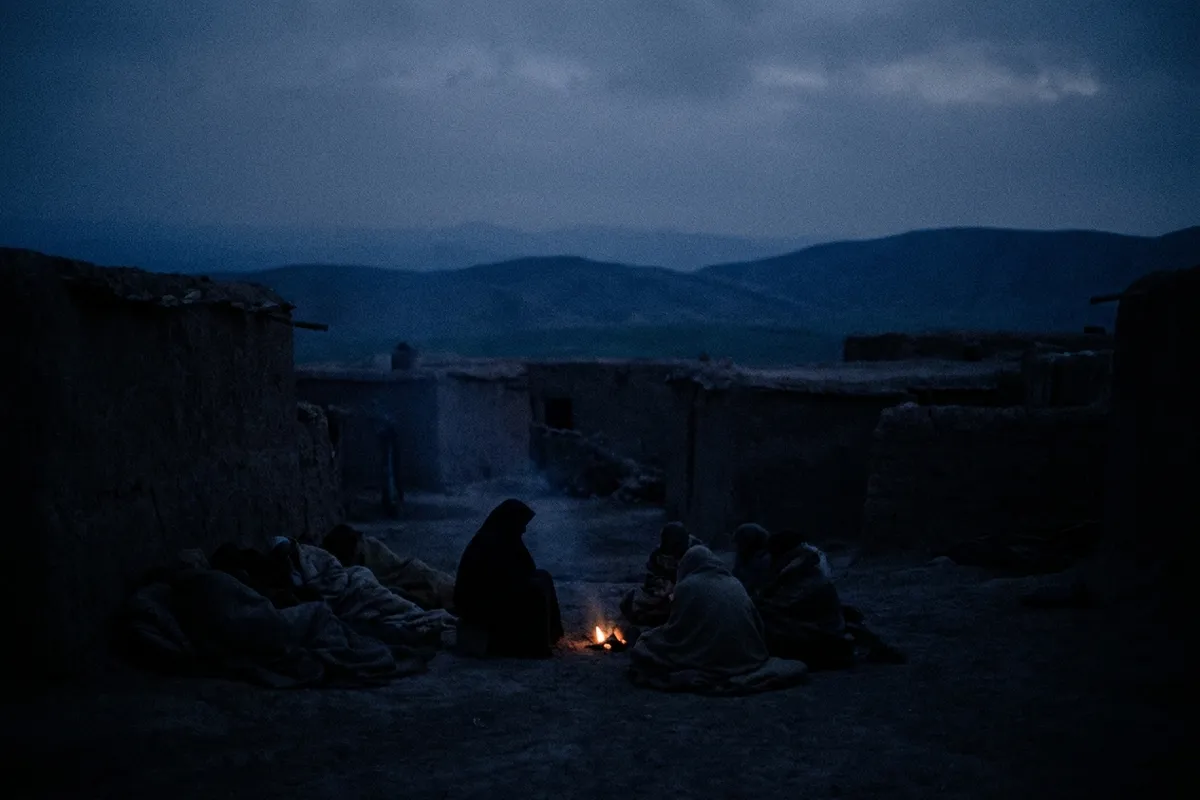
A simpler explanation is enough: the room is quiet, distractions fall away, and the person beside you may be asleep and unavailable for interaction. Your attention has more room to notice what you are missing.
That feeling can be about tonight, or it can be part of a broader pattern. Why we feel lonelier after the sun goes down looks more closely at why quiet hours can make loneliness more noticeable.
The Privacy of Minds
Even in a close relationship, two people do not have constant access to each other's thoughts.
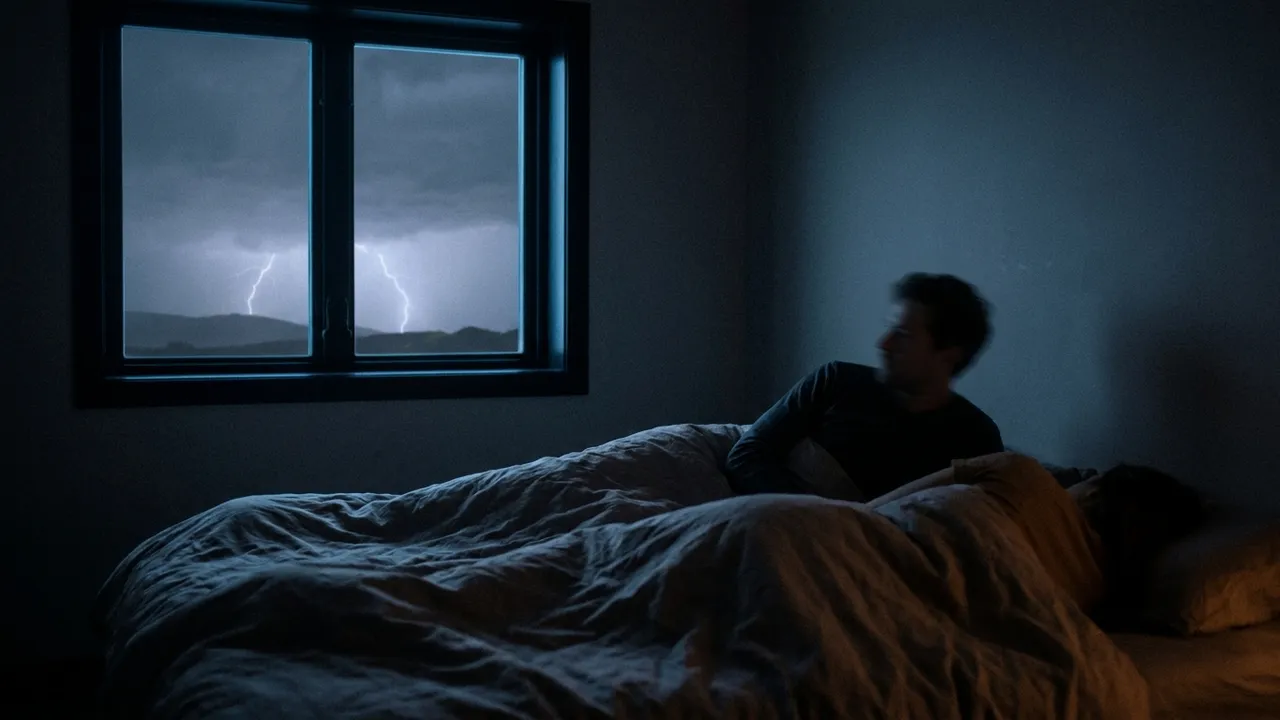
That is not a defect in intimacy. It is part of being separate people.
Accepting Privacy as Respect
You can be curious about your partner without expecting them to be emotionally available at every moment, especially when they are asleep or exhausted.
If you need more connection at night, the best time to discuss it may be during the day, when neither of you is trapped between sleep and a difficult conversation.
Your Own Crowded Sky
Sometimes the distance feels larger because your own mind is busy. An argument replays. Tomorrow's plans arrive. You want reassurance at exactly the moment the other person is drifting off.
If the main problem is mental noise, why you can't shut your brain off at night may help. A partner does not have to solve every thought for you, and you do not have to solve every thought before sleeping.
Rituals of Togetherness That Don't Demand
Small requests often work better than vague hopes that your partner will notice exactly what you need.
You might ask:
- "Could we talk for ten minutes before we turn the lights off?"
- "Can we hold hands for a minute?"
- "Could you tell me one thing about your day before we sleep?"
- "I'm feeling a little distant lately. Can we talk about it tomorrow?"
The point is not to create a mandatory bedtime intimacy routine. It is to make the request understandable and easy to answer honestly.
A Familiar Doorway
Some couples like a repeated small gesture: saying goodnight properly, putting phones away for the last ten minutes, a short check-in, or reading side by side.
That kind of ritual can be useful because it protects time for connection. It does not need to regulate either person's nervous system. For more on simple repeated routines, see on ritual and rhythm.
When the Bed Becomes a Quiet Studio
Connection does not have to mean constant interaction. One person can read while the other listens to audio. One can fall asleep first. You can be close without doing the same thing at the same time.
If you need to get one thought out of your head, write it down or use a brief audio prompt. Tonight can generate a private evening ritual from a thought you enter. The AI does not understand, witness, carry, or emotionally hold that thought; it turns input into a temporary audio experience.
A digital tool can give you structure. It cannot replace reciprocal human attention.
The Morning and Its Ordinary Rescues
If the loneliness feels different in daylight, that is useful information. Maybe the night simply made an ordinary distance feel larger.
If the loneliness is still there over breakfast, on walks, during weekends, and in the moments when you normally feel connected, pay attention to that too.
Naming the Canyon Without Blame
Try describing your experience rather than diagnosing the relationship or your partner:
"I've been feeling lonely at night lately, even when we're together. I don't think you are doing something wrong, but I want to understand what I need and what feels good for both of us."
That opens a conversation. "You never make me feel close" usually closes one.
If the relationship feels persistently disconnected, conflict is difficult to resolve, or loneliness is part of depression or another mental-health concern, real human support may be more appropriate than another bedtime tool. Why Tonight isn't therapy explains that boundary.
A Quiet Place for This
Tonight can provide a low-screen, AI-generated audio ritual if you want something structured to listen to while your partner sleeps. It is not company and it does not "meet" or emotionally hold you.
If what you need is your partner, a friend, or professional support, reach for a person. If what you want is simply a guided audio routine, you can download Tonight.
Frequently asked questions
Why do I feel lonely at night even with a partner beside me?
Night removes many of the ordinary signs of connection: conversation, eye contact, shared tasks, and consciously returned touch. If your partner is already asleep while you are still awake, the difference can feel especially large. That feeling is real, but it does not automatically mean your relationship is failing.
Is feeling lonely in bed a sign my relationship is failing?
Not by itself. A single nighttime feeling is not enough to judge a relationship. Notice whether the loneliness also appears during the day, whether you can talk openly about it, and whether both of you have enough opportunities for connection. Persistent disconnection may deserve a direct conversation or outside support.
Why does loneliness feel stronger at night?
The evening is often quieter and less distracting, so feelings that were easy to overlook during the day can become more noticeable. You do not need an evolutionary story about a nighttime sentinel system to explain it. Quiet and reduced interaction are enough to make emotional distance easier to feel.
How can my partner and I feel closer at night without pressure?
Use small, specific requests rather than expecting either person to guess. You might ask for a ten-minute check-in, a short cuddle, or a proper goodnight before one of you sleeps. Talk about the pattern during the day if possible, and leave room for either partner to say what feels comfortable.