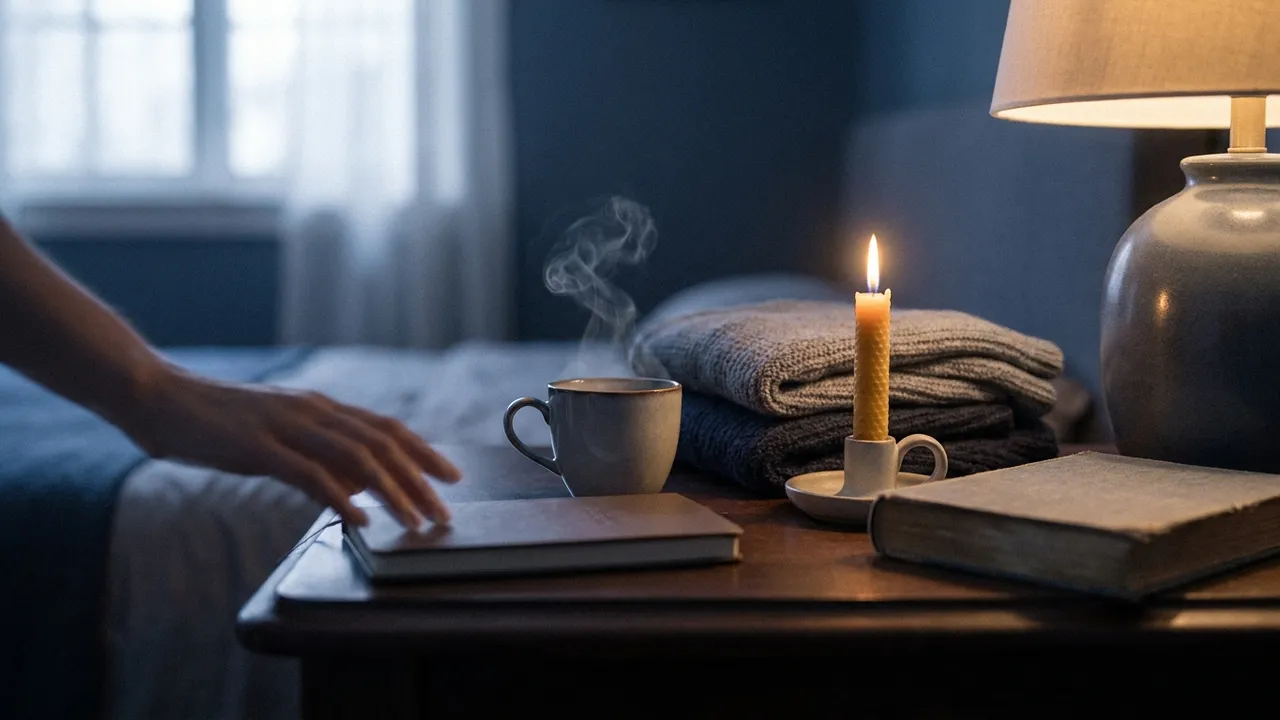
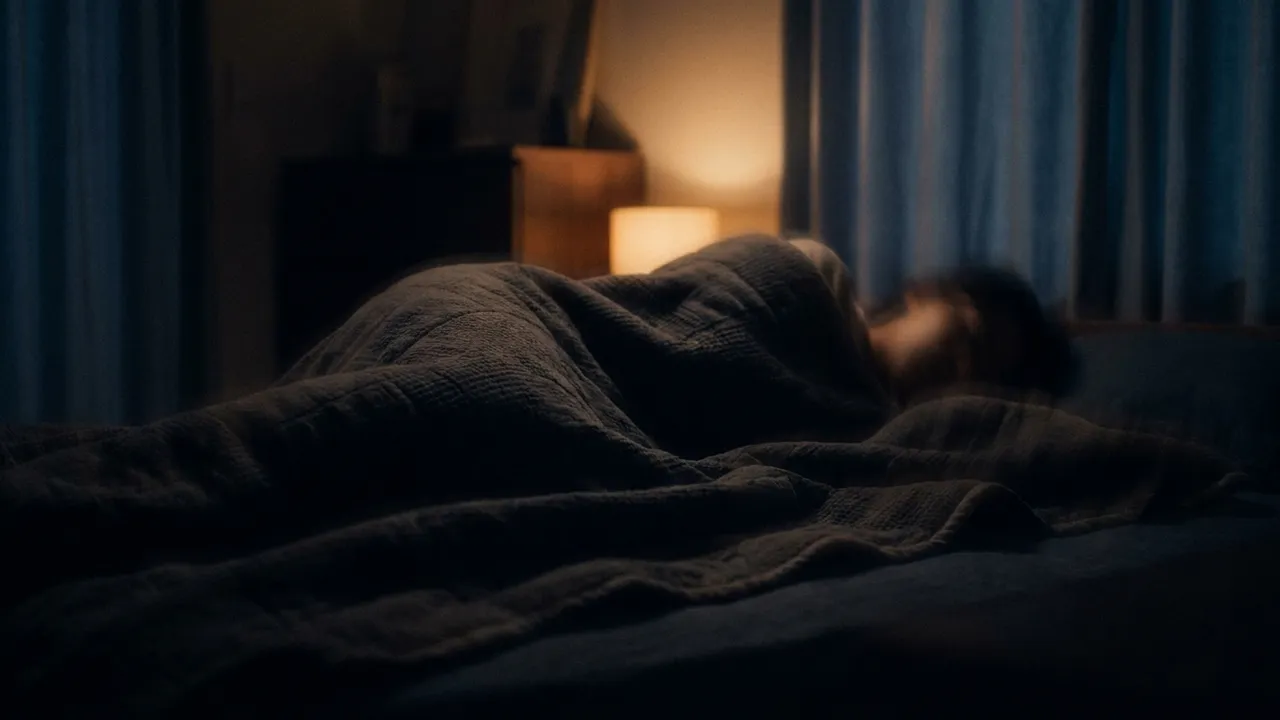
The bedroom is dark enough for someone else, but not for you. A line of hallway light under the door feels sharp. The refrigerator clicks on and suddenly seems much louder than it did during the day. A clothing tag scratches. The sheet is wrinkled in exactly the wrong place. Your own breathing feels too noticeable.
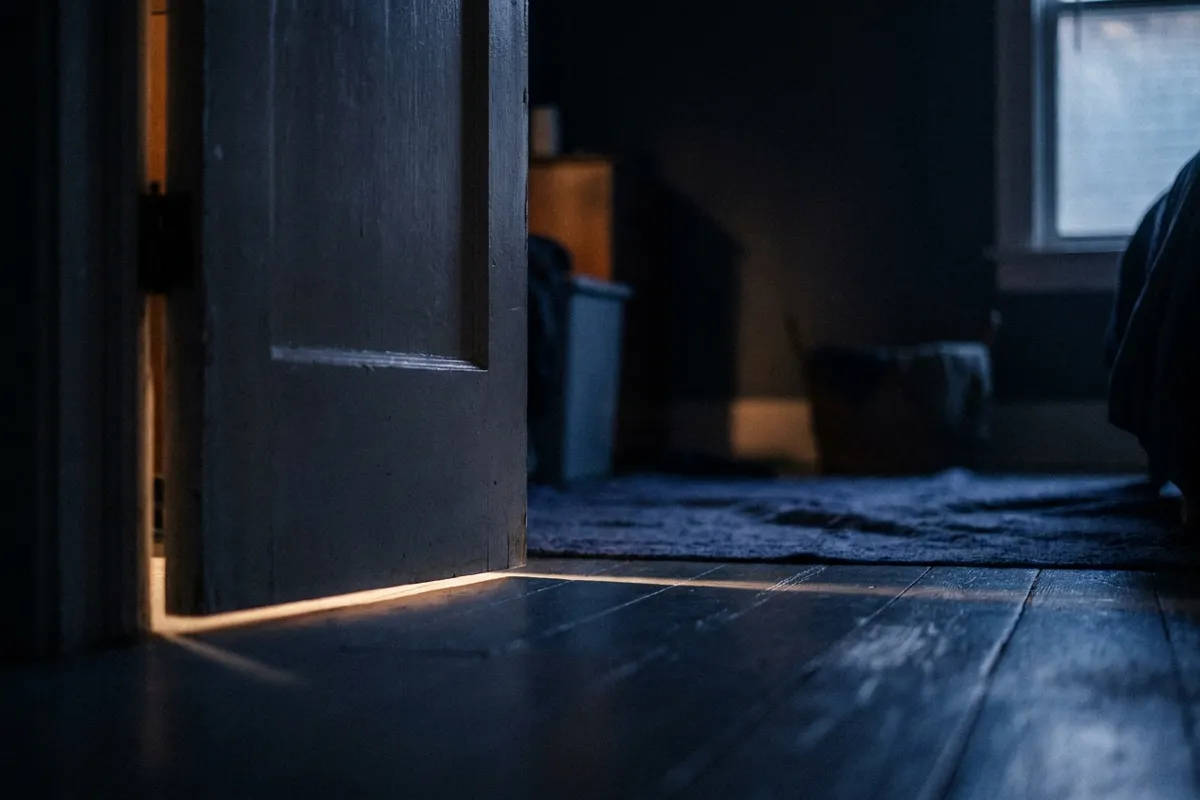
You may be exhausted and still unable to ignore what you see, hear, feel, or smell.
If sensory input is keeping you awake, you do not need to force yourself to tolerate more of it. A practical first step is to identify the specific input that bothers you and reduce or change it where you can.
Sensory sensitivity varies widely. Autistic people and people with ADHD may report sensory differences, and some people use terms such as sensory processing sensitivity or Sensory Processing Disorder to describe their experiences. None of those labels can be diagnosed from one difficult bedtime, and people with the same diagnosis can have very different sensory needs.
Why Sensory Input Can Feel Harder to Ignore at Night
All day, light, sound, movement, touch, smells, conversations, and screens compete for attention. By bedtime, you may be tired, irritable, overstimulated, or simply more aware of small sensations because the rest of the environment is quieter.
When the Sensory Dial Feels Turned Up
A sock seam, a faint electrical hum, or a warm pillow can suddenly feel impossible to ignore. Stress may contribute, but it is too broad to say that this always means your sympathetic nervous system is "stuck on." Sensory discomfort can also reflect migraine, pain, anxiety, medication effects, environmental conditions, neurodevelopmental differences, or ordinary individual preference.
Reducing Input Can Be Enough
You do not need to activate a specific parasympathetic pathway or stimulate the vagus nerve to justify making the room easier to tolerate. If dimmer light, a smoother sheet, a cooler room, or less sound makes you more comfortable, that is already a useful outcome.
The simplest aim is not "regulation." It is less irritation and less effort.
When Your Baseline Sensitivity Is Different
The term Highly Sensitive Person, or HSP, is often used for people who describe greater sensitivity to sensory and emotional input. Researchers more often use the term sensory processing sensitivity; you can read one overview in Acevedo et al., 2018. It is a trait concept, not a medical diagnosis.
Autistic people can have sensory hyper- or hypo-sensitivities. ADHD can also be associated with sensory processing differences for some people. "Sensory Processing Disorder" is used in some clinical and occupational-therapy settings, but it is not a standalone DSM diagnosis. Individual assessment matters more than assuming one nervous-system pattern applies to everyone.
The Myth of 'One Size Fits All' Relaxation
Advice often sounds universal: take a bath, play white noise, meditate, do a body scan, breathe deeply. All of those can help some people. All of them can also be annoying to someone else.
When Soothing Becomes More Stimulation
A meditation bell may feel too sharp. A close-miked voice may be distracting. White noise may sound hissy. A body scan can make internal sensations more noticeable at exactly the moment you would rather notice less.
That does not mean meditation, white noise, or body scans are bad. It means sensory preference matters.
When the Standard Advice Does Not Fit
Trying a popular sleep tool and disliking it can be frustrating, especially if everyone says it should help. The answer is not to distrust yourself. Change the tool.
We have written about why sleep apps can feel more isolating and why white noise and meditation apps do not work for everyone. The important qualification is the same: those tools help plenty of people. Your job is not to like them. Your job is to find an environment that works for you.
Crafting Your Sensory Cocoon: A Gentle Guide
A sensory cocoon is not a clinical treatment or a perfect bedroom. It is simply a sleep environment adjusted around the inputs you find easiest to tolerate.
The idea overlaps with what occupational therapists sometimes call a sensory diet: planned sensory activities or environmental changes chosen for an individual's needs. If sensory difficulties affect daily life beyond bedtime, an occupational therapist or other clinician can help you assess them more systematically.
Begin Like a Naturalist
Observe before you fix. Which light bothers you? Which fabric makes you tense? Does silence help, or does it make every small household sound more noticeable? Do you prefer cool air, warm socks, pressure, loose bedding, no scent, or a familiar scent?
Deep pressure feels calming to some people, and occupational-therapy research has examined deep-pressure approaches. A systematic review in the American Journal of Occupational Therapy found evidence across several sensory interventions, but results and study quality vary. That is very different from saying a weighted blanket, hug, or wall push "confirms" parasympathetic regulation for everyone.
If you use a weighted blanket, choose one you can remove easily and that does not make breathing, movement, temperature, or pain worse. Ask a clinician if you have a condition that could make added weight unsafe.
Boring in the Best Way
A good sleep environment can be boring in the best way: predictable and easy to repeat. That is also the practical heart of ritual and rhythm. You do not have to create a special biological signal. You are reducing surprises and decisions.
A Three-Step Approach to Sensory Calming
When you are already overloaded, keep the plan small: subtract, add, filter.
Subtract what is sharp. Dim or block the light that bothers you. Change the shirt with the tag. Smooth the sheet. Move a ticking clock. Adjust the temperature. Put the phone down if the screen is irritating rather than helpful.
Add one comfortable sensation. That might be a pillow pressed against you, a weighted blanket if it is safe and comfortable, a soft fabric, warm socks, gentle stretching, or nothing extra at all. One useful sensation is enough.
Filter what cannot be removed. If outside sounds keep grabbing your attention, try earplugs, white noise, pink noise, brown noise, a fan, or familiar audio. There is no evidence-based hierarchy in which one color of noise is best for every nervous system. Use the sound you tolerate at a comfortable volume.
This is an experiment, not a prescription. Try one change, notice whether it helps, and keep or remove it.
When Quiet Also Lets the Mind Race
If thoughts become louder once the room is quieter, that is a separate problem to work with. You do not need to blame the Default Mode Network. You may simply have more attention available for unfinished thoughts. Why you can't shut your brain off at night covers that pattern in more detail.
A Low-Stimulation Ritual
A ritual can be useful because it reduces choices at the end of the day.
A Ritual Lowers the Cognitive Load
First this, then this, then bed. You do not have to search for a new technique every night. For someone with ADHD, autism, sensory sensitivity, or simply a tired brain, fewer transitions and fewer decisions may be helpful. That does not mean every person in any of those groups needs sameness or the same sensory setup.
Your Ritual Might Be Small
Wash your face in low light. Put on the most comfortable sleep clothes you own. Adjust the room. Choose silence or one audio track. Pull the blanket where you like it. Stop there.
You do not need to "win" sleep. You can make the room easier to be in.
Tonight can be one optional part of that routine. It is an AI-guided wellness product with carefully crafted voices and low-light listening. Some people may prefer that; others will prefer meditation, white noise, music, or silence. The AI does not understand your sensory needs or provide medical or therapeutic care.
If you want to try it, you can download Tonight.
If sensory distress is severe, affects daily functioning, causes pain, or is new and unexplained, consider discussing it with a healthcare professional or occupational therapist.
Related reading: switched on long after the day is done · default mode network
Frequently asked questions
Why can't I sleep when I have sensory overload?
Light, sound, texture, temperature, or internal sensations can be hard to ignore when you are trying to sleep. Stress, neurodevelopmental differences, pain, migraine, medication, and simple individual sensitivity can all play a part. The experience does not identify one specific nervous-system state, so start by changing the input that is actually bothering you.
What does sensory overload at night feel like?
It can feel as if ordinary input has become unusually sharp or demanding: a clothing seam, a faint sound, room temperature, bedding, light under the door, or even your own heartbeat. People describe sensory overload differently, and not everyone with ADHD, autism, or high sensory sensitivity experiences it in the same way.
How can I calm sensory overload before bed?
Try a simple experiment: subtract the most irritating input, add one comfortable sensation if you want one, and filter anything you cannot remove. Dim light, comfortable clothing, temperature changes, earplugs, sound masking, or pressure may help different people. Keep only what makes the room easier to tolerate.
Why does relaxation advice sometimes make sensory overload worse?
A relaxation tool is still sensory input. A meditation voice, white noise, body scan, fragrance, or weighted blanket may help one person and overstimulate another. That does not make the method bad or your reaction wrong; it means the fit matters.