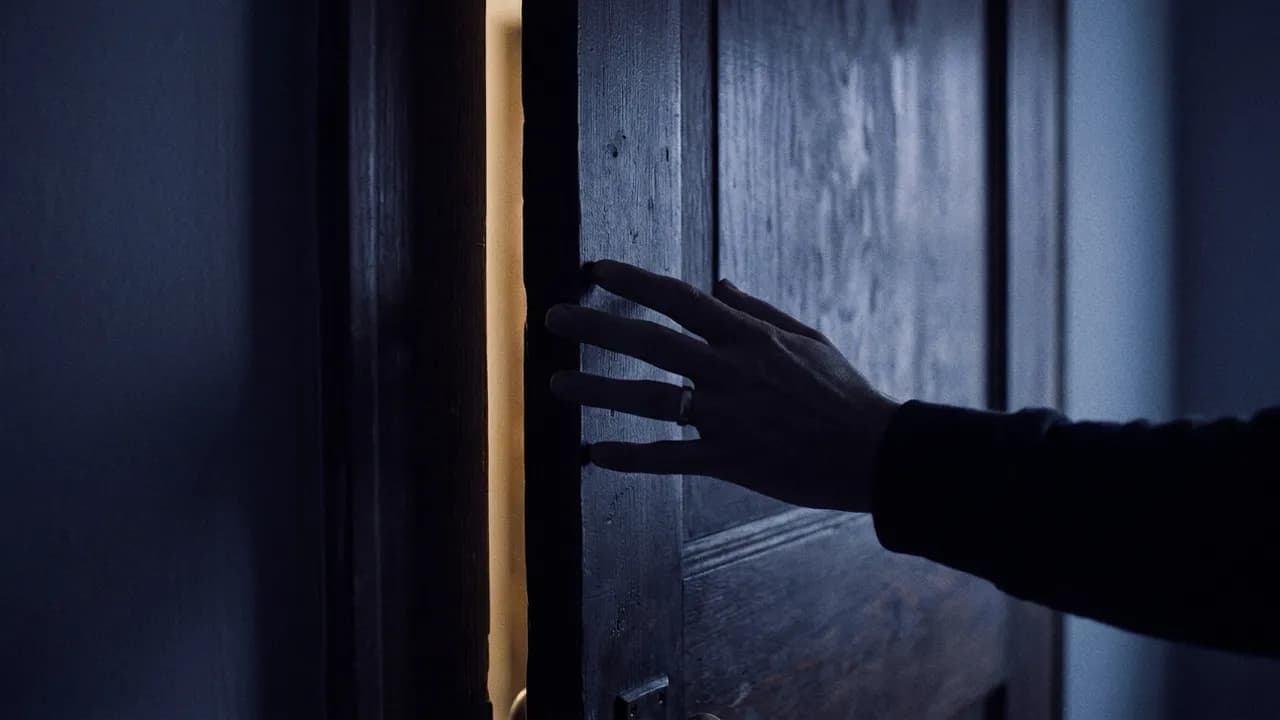

The shift ends, but your attention may take longer to follow.
You step out of the building and still hear parts of the day in your head. A problem you solved hours ago comes back. Your shoulders are tight. You replay an exchange or remember something you meant to do.
This is often the hardest part of learning how to decompress after a long shift: work is technically over, but your mind and body have not changed pace yet.
A short transition routine can create a useful boundary between work and whatever comes next. It does not need to "reset" your nervous system. Its job can be simpler: reduce stimulation, give your attention one thing at a time, and mark that the shift has ended.
The Feeling of Being 'On' Long After You've Clocked Off
The Strange Afterlife of the Shift
If you work in healthcare, hospitality, transport, emergency services, retail, cleaning, care work, warehouses, security, kitchens, call centers, or another demanding job, you may know the feeling. Your hands are empty, but your attention still feels occupied.

Post-Shift Anxiety in Its Ordinary Clothes
You may replay the rushed exchange, wonder whether you forgot something, or keep thinking about a patient, customer, colleague, order, or deadline. Sometimes that is anxiety. Sometimes it is simply mental carryover from hours of concentrated work.
Why 'Just Relax' Doesn't Work
After a long shift, "just relax" is not very useful advice. You may be hungry, sore, overstimulated, caffeinated, emotionally affected by the work, or working against your normal sleep schedule. Those are real conditions to work with, not a failure to relax correctly.
Why Alertness Can Linger After Work
Your mind may know the shift is over while your habits and attention are still in work mode.
Stress Responses Are One Possible Piece
Demanding work can increase physical and mental arousal. Stress hormones such as cortisol and adrenaline are part of that response, but you cannot tell from feeling wired after work whether either hormone is "still running high." Caffeine, pain, bright light, emotional events, physical exertion, and circadian timing can produce a similar feeling.
For night-shift workers, timing matters especially. Trying to sleep when the outside world is bright and your circadian system is promoting wakefulness is different from simply being unable to calm down.
Exhausted and Wired at the Same Time
You can be physically exhausted and mentally alert at the same time. That experience does not automatically mean "nervous system dysregulation." It describes a state, not a diagnosis.
There Is No Instant Off Switch
Most people need some transition between sustained work and sleep. The useful cues are ordinary ones: lower stimulation, less work-related input, food or a shower if you need them, a comfortable room, and a little time.
If your thoughts get louder once work stops, you might also recognize the pattern in why you can't shut your brain off at night. You do not need to explain that with the default mode network or a vagus-nerve story. It is enough to notice that quiet gives unfinished thoughts more room.
You Need a Bridge From Work-You to Home-You
The Liminal Space After Work
The walk to the car, the bus ride, the train platform, the shower, or the first few minutes at home can become a deliberate transition rather than dead time between one demand and the next.

Why a Transition Ritual Can Help
A transition ritual is just a repeatable sequence that marks a change in context. It can reduce decision-making when you are tired and stop work from spilling directly into bed.
It does not need candles, perfect quiet, or a biological explanation. Consistency is useful because you do not have to invent the ending of the day every time.
Somewhere to Cross
You can do it in a parked car, on public transport, in the shower, or at the kitchen table. The location matters less than the boundary: work has ended, and the next few minutes are not for solving more work.
If you want more on repeated routines, on ritual and rhythm explores that idea.
A 15-Minute Ritual to Decompress Post-Shift
Four Small Steps, in Order
Here is one version. Treat the timing as flexible, not a prescription.

- A few easy breaths. If breathing exercises feel comfortable, try two or three physiological sighs: one inhale, a second smaller inhale, then a slow exhale. A 2023 study of five minutes of daily structured breathing over one month found improvements in mood and respiratory rate, with cyclic sighing doing particularly well on those outcomes. That study did not show that a few sighs instantly switch off post-shift stress or work better than meditation for sleep.

If the breathing makes you dizzy or uncomfortable, stop and breathe normally.
Body inventory. Spend a few minutes noticing where you feel tension, fatigue, heat, or discomfort. A body scan can be useful for some people. If focusing inside your body makes you more anxious or overstimulated, skip it and focus on the room instead.
Sensory anchor. Choose one neutral thing you can hear, feel, or smell: rain on the window, the fabric of your sleeve, the cool air, soap on your hands. The point is not to change a brain network. It is simply to stop feeding the work replay for a moment.
One intention. Pick one modest sentence for the next part of your day: "I am off work now." "I will eat before I solve anything else." "The next hour is quiet." Keep it practical.
When Thoughts Interrupt
Thoughts will interrupt. That is normal. You can note the thought and return to the next step. A transition routine is not ruined because your mind remembers work.
Making Space for Your Own Needs
Protect a Small Window if You Can
Fifteen minutes may be unrealistic when children, pets, partners, hunger, transport, or caregiving need you. Use less if that is what your life allows. Three real minutes are more useful than an ideal routine you never get to do.
Make the Boundary Visible
If you share a home, a simple sentence can help: "I need ten minutes when I get in, then I can talk." That is not a medical intervention. It is a practical boundary.
When You Only Get Three Minutes
Keep it tiny: put the work phone away, notice one physical sensation, take one comfortable breath, and choose what comes next. For night shifts, also consider light, noise, room temperature, and the timing of caffeine — often more important than any relaxation technique.
If your heart pounds when you lie down, you may also want to read about why your heartbeat gets loud when trying to sleep. New, severe, or persistent palpitations deserve medical attention rather than a relaxation explanation.
If sleep problems continue, cause dangerous daytime sleepiness, or repeatedly interfere with work and daily life, speak with a healthcare professional or sleep clinician. Shift-work sleep problems can need more than a wind-down routine.
Making the Routine Easier to Follow
When Knowing Isn't Enough
When you are exhausted, even a simple routine can be hard to remember. Spoken guidance can reduce the number of steps you have to hold in your head.
A Routine You Can Start Without Much Planning
Tonight is a wellness product built around AI-guided evening rituals with carefully crafted voices and low-light use. It can provide one cue at a time, but the AI does not listen, understand your condition, or regulate your body. It is not therapy or treatment for insomnia or shift-work disorder.
It is also not inherently better than meditation, music, silence, or another routine. Use the option that genuinely makes the transition easier for you.
If you want to try Tonight as part of that transition, you can download Tonight.
Related reading: exhausted and wired at the same time
Frequently asked questions
How do you decompress after a long shift?
A short transition routine can help separate work from home. You might try a few comfortable breaths, a brief body inventory, one neutral sensory anchor, and one clear intention for what comes next. The routine does not need to calm your nervous system on command; it just needs to lower effort and mark that work is over.
Why do I feel wired and exhausted at the same time after work?
Long or demanding shifts can leave you physically tired while your attention is still active. Stress may contribute, but so can caffeine, pain, bright light, emotional events, physical exertion, and circadian timing, especially after night work. The feeling alone cannot tell you that cortisol or adrenaline is high.
How do you relax after working a 12-hour shift?
Start with basic needs and a small transition instead of expecting instant relaxation. Food, a shower, lower light, less work-related input, a body scan, gentle breathing, or a few quiet minutes can all be options. Pick what feels manageable rather than turning recovery into another task.
How do you switch off from work mode at night?
Create a repeatable boundary between work and bed: put away work messages, lower stimulation, and choose one simple activity you can repeat without much decision-making. If sleep problems are persistent or cause significant daytime impairment, talk with a healthcare professional rather than relying on a ritual alone.