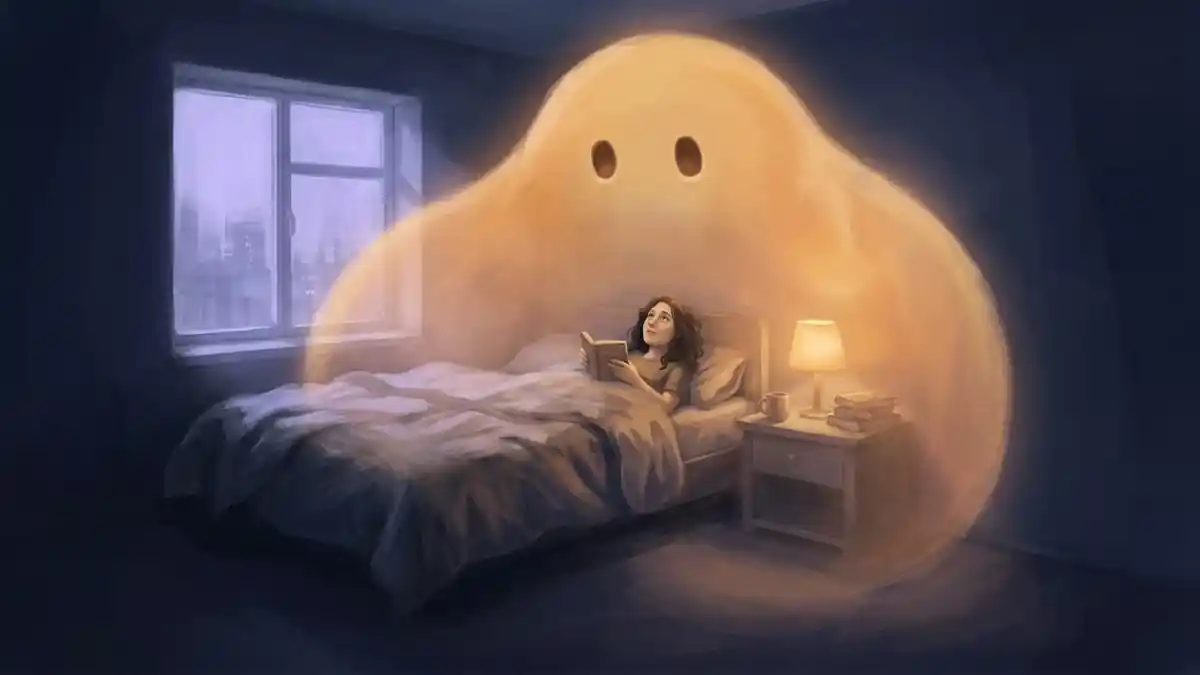
After a bad night, ordinary things can feel harder than they did yesterday.
You may be more emotional. A small problem may feel bigger. Concentration can be worse. Light, noise, pain, or other people's questions may be more irritating than usual.
That does not mean your body spent the night "keeping you alive" or that an alarm system is still running after dawn. Sleep loss affects attention, mood, reaction time, and other parts of daytime functioning, and different people feel those effects differently.
The most useful response is usually practical: reduce unnecessary demands, eat and drink normally, use caffeine carefully, and treat serious sleepiness as a safety issue rather than something to push through.
Why You May Feel Emotionally Fragile After Poor Sleep
Sleep loss can affect mood, attention, working memory, and how strongly some experiences register. You may have less patience for frustration and less mental energy for regulating a difficult reaction.
When Even Small Things Feel Like More
A dropped spoon, a crowded train, a confusing message, or an unexpected change of plans may feel disproportionately difficult. That does not make the reaction imaginary. It also does not mean one biological mechanism explains it.
A simple sentence can help keep the day in proportion: "I slept badly, so I may have less capacity today."
A bad night can change how the day feels. It does not define how you will feel forever.
What Sleep Loss Can Change the Next Day
Sleep deprivation has measurable effects, but those effects are more specific than a story about a body staying on guard.
Pain and Sensory Discomfort Can Feel Different
The original version of this article linked a study as evidence for "amplified sensory processing." The study actually examined pain. In a small laboratory experiment, one night of sleep deprivation lowered pain thresholds and changed pain-related brain responses in healthy adults. That supports a sleep–pain link, not a claim that every sound, light, sleeve, or emotion becomes louder through one sensory mechanism.
Research also examines interactions between sleep and the HPA stress system, but those findings do not justify saying the body's "alarm system" simply stays on after a poor night or that morning fragility is a cortisol diagnosis.
If nighttime vigilance is part of a broader pattern for you, the science of nighttime hyper-vigilance discusses that term with its limits.
Your Mind Is Not Keeping You Awake Out of Love
It can be comforting to personify the mind as a protector, but it can also make ordinary insomnia sound like a hidden survival response. Racing thoughts, worry, pain, environmental disruption, caffeine, alcohol, medication, illness, circadian timing, and many other things can disturb sleep.
If thoughts are the main problem, why you can't shut your brain off at night covers that separately.
A Day Meant for Lower Demands
You may not be able to cancel the day. You can often change how much extra difficulty you add to it.

Make the Day Easier Where You Can
Useful adjustments can include:
- delay non-urgent difficult conversations if possible;
- write things down rather than relying on memory;
- take short breaks from noise or screens if they are irritating;
- eat and drink regularly;
- get some daylight and gentle movement;
- avoid trying to fix the bad night with large amounts of alcohol or late caffeine;
- lower your expectations for optional tasks.
This is not weakness. It is planning around temporarily reduced capacity.

Kindness Does Not Alter Physics — but It Can Change the Day
Self-criticism does not restore lost sleep. A calmer standard for the day can reduce the amount of extra stress you create around being tired.
If you need to tell someone, plain language is enough: "I slept badly and I am running a little slower today."
When the World Feels Too Much
A sleep-deprived day can make crowded places, complex work, and emotional conversations harder to handle. You do not need to turn that into a personality statement about being "porous" or unusually fragile.
Protect Attention Where It Matters
If you are commuting, working, or caring for someone, simplify where you can. Use headphones only where safe. Make a shorter task list. Take notes. Ask for a pause before answering something complicated.
Most importantly, do not treat severe sleepiness as a character test. If you are struggling to keep your eyes open, having microsleeps, or feel unsafe to drive or operate machinery, do not push through. Arrange another way home, rest, or get appropriate help.
When Someone Asks What's Wrong
You do not need a dramatic explanation. "I had a rough night" may be enough.
If poor sleep is happening repeatedly, the answer is not simply to become better at surviving the next day. Persistent insomnia, loud snoring, gasping or pauses in breathing, or significant daytime sleepiness deserve medical or sleep-professional assessment.
When Evening Returns
After a bad night, it is tempting to spend the whole day trying to guarantee a perfect next one. That can make sleep feel like another performance.
Do Not Turn Recovery Into a Test
Return to a reasonably normal evening. Avoid going to bed dramatically earlier unless you are genuinely sleepy, and keep your usual wake time as consistently as your situation allows. If chronic insomnia is the problem, CBT-I is more useful than repeatedly inventing new rescue routines.
If Audio Helps, Use It for What It Is
Some people want quiet after a difficult day; others prefer meditation, music, white noise, an audiobook, or guided audio.
Tonight is an AI-guided wellness ritual with carefully crafted voices. It can provide structured audio, but it is not a companion sitting beside you, does not hear or understand you like a person, and does not treat sleep deprivation or insomnia.
If you want a low-light audio ritual as one optional part of the evening, you can download Tonight.
Frequently asked questions
Why do I feel so fragile the day after a bad night?
Poor sleep can affect mood, attention, working memory, reaction time, and how well you handle stress. You may therefore feel more emotional or easily overwhelmed the next day. That does not mean an alarm system is still running or that one hormone explains the feeling.
Why am I so emotionally fragile after no sleep?
Sleep loss can leave you with less mental capacity for regulating frustration and emotion. A difficult reaction after a bad night can be real without being a diagnosis. If mood changes are severe, persistent, or part of a larger mental-health problem, talk with a qualified professional.
How can I get through a day after very little sleep?
Reduce optional demands, write important things down, eat and drink regularly, get daylight, and use caffeine carefully rather than chasing fatigue late into the day. If you are dangerously sleepy, do not drive or operate machinery; severe daytime sleepiness is a safety issue, not something to power through.
Is feeling overly sensitive after a bad night normal?
Many people notice more irritability, emotion, discomfort, or difficulty concentrating after poor sleep. The exact experience varies. If bad nights are frequent or daytime effects are significant, look at the sleep problem itself rather than treating the next-day sensitivity as something you simply have to tolerate.