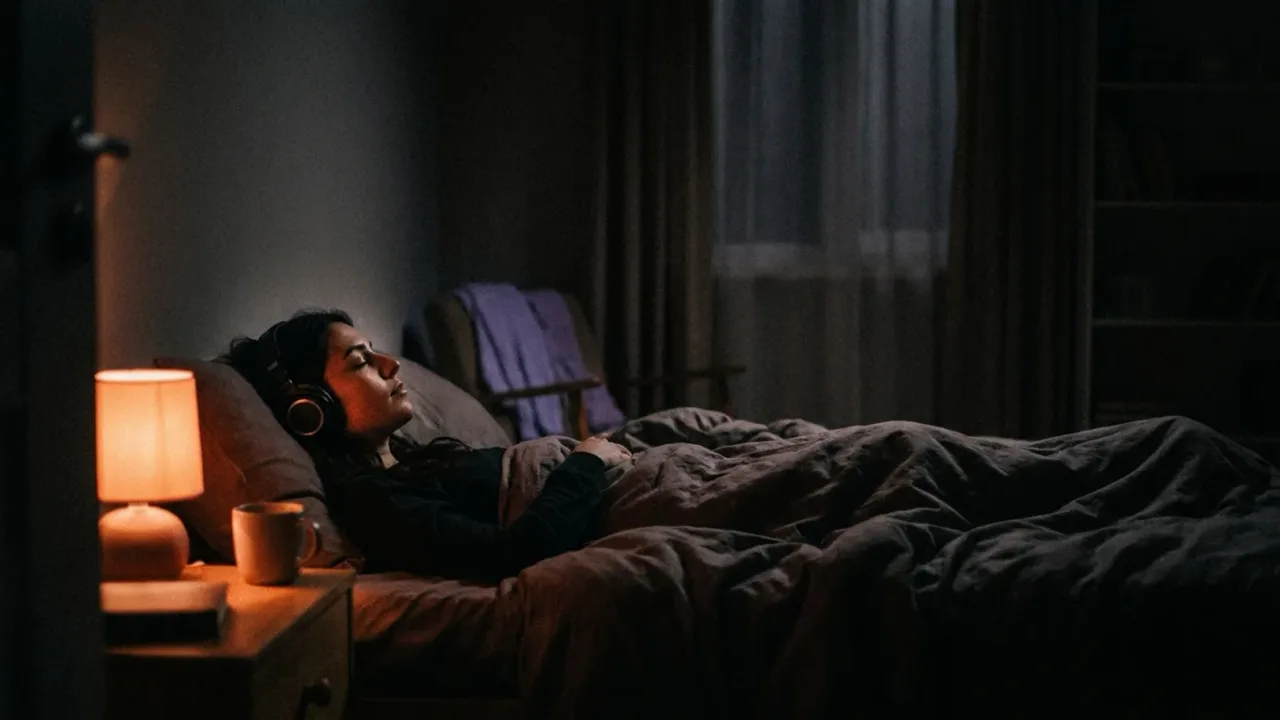

You followed the breathing exercise. You listened to the story. You tried the soundscape. You put the phone down.
And you are still awake.
Sometimes a sleep app simply does not help. That does not require a bigger explanation or another technique layered on top.
A tool can be useful for many people and still be the wrong tool for you, or the wrong tool tonight. Sleep is not a result an app can guarantee.
When Trying Becomes the Problem
The Phone Can Turn Into a Scoreboard
A guided exercise can start as help and end as a test: Did I relax enough? Why am I not sleepy yet? Should I try another session?
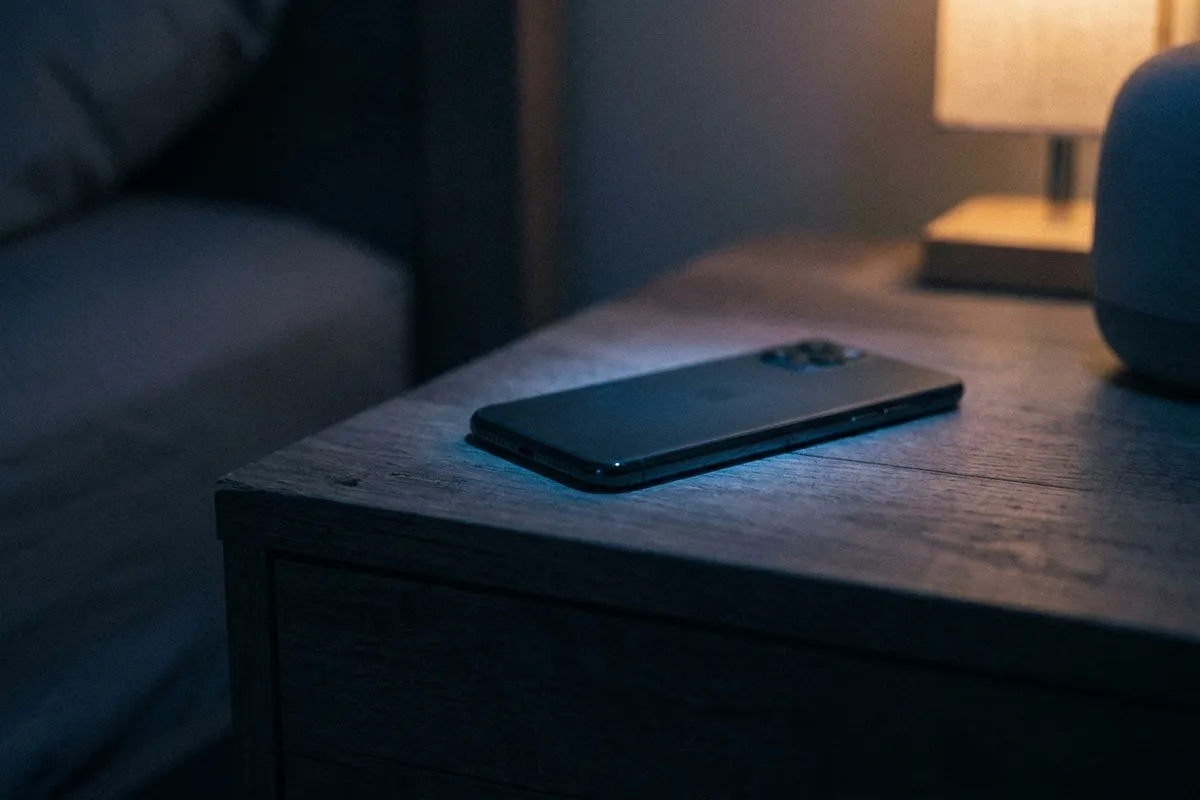
If you notice that pattern, the best next step may be to stop rather than optimize the app again.
The Tool Does Not Control Sleep
Sleep is affected by timing, sleep pressure, circadian rhythms, health, stress, substances, environment, habits, and many other factors. A meditation, soundscape, story, or breathing exercise can be one influence among many.
So if a session ends and you are still awake, nothing has gone wrong in the technical sense. The exercise did not guarantee sleep in the first place.
Tools Have Different Jobs
Do Not Invent a Practice-vs-Presence Divide
Meditation apps, sound apps, CBT-I tools, trackers, audiobooks, and Tonight are not competing versions of "practice" versus "presence." They do different things.
Some teach skills. Some provide information. Some play audio. Some support a structured treatment program. Some simply give you something quiet to listen to.
It is also misleading to describe Calm, Headspace, Tonight, or any other app as human company. A digital product can produce content. It cannot provide reciprocal human presence.
If the Difficult Part Is Loneliness
Being the only person awake can feel isolating. An audio track may make the room less quiet, but it is not a substitute for another person.
If loneliness is the main issue, why we feel lonelier after the sun goes down may help you separate the sleep problem from the connection problem. If you need human contact, reach for a person when appropriate.
When Sleep Apps Don't Work for Me
Stop the Experiment for Tonight
You are allowed to decide: this app is not helping me tonight.
That may mean turning the audio off, putting the phone away, reading something ordinary, getting out of bed for a while if that is part of your clinician-directed insomnia plan, or simply lying quietly without adding another exercise.
Do not keep repeating sessions just because the app exists.
Scores, Rings, and Graphs
Tracking can be useful when the information changes something meaningful. It can also increase worry for some people.
If checking your score every morning makes bedtime feel like a performance review, experiment with checking less often, hiding scores, or taking a break if the data is not clinically needed. If a clinician has asked you to track sleep for a specific reason, discuss changes with them rather than abandoning useful monitoring on the advice of a general article.
The Problem With Adding More Fixes
More Technique Is Not Always More Help
Breathing counts, meditations, white noise, journaling, stretching, sleep stories, supplements, trackers, and strict routines can become a long bedtime checklist.
If the checklist makes you monitor sleep more intensely, simplify it.
A breathing exercise is an option, not an obligation. If counting breaths keeps you alert, stop counting. If silence feels better than audio, use silence.
A useful bedtime routine should reduce work, not create another shift.
If Your Mind Keeps Going
If tomorrow's tasks keep returning, write down the few items you genuinely need to remember and stop there. If you are replaying conversations or worrying, why you can't shut your brain off at night offers practical options.

You do not have to romanticize wakefulness or assume it is "keeping vigil" for a reason. Sometimes you are simply awake and frustrated.
What to Do Instead
Make the Next Step Boring and Small
If you want to stop trying, choose something low-stakes: dim the light, put the clock out of view, read a few pages, listen to neutral sound, or sit somewhere comfortable for a while.
The goal is not to find the secret sensory combination that will make sleep happen. It is to reduce stimulation and pressure while sleep takes its own course.
A Note on Mornings After
After a poor night, avoid turning every choice from the previous evening into a culprit. One bad night rarely tells you which single factor caused it.
If poor sleep is becoming a pattern, look at the pattern rather than one night. Persistent insomnia is a health problem with evidence-based treatments, including Cognitive Behavioral Therapy for Insomnia (CBT-I). A clinician or qualified sleep professional can help you decide whether that is appropriate.
If you often wake around the same time, the uncanny feeling of waking up at 3am may help with the experience, but recurring awakenings still deserve ordinary sleep assessment when they are persistent or impairing.
Stop Clock-Watching Where You Can
Repeatedly calculating how much sleep remains can add pressure. Turn the clock away or avoid checking it unless you genuinely need the time.
That is a practical change, not a guarantee that sleep will follow.
When to Stop Using the App
Pause a Tool That Is Making the Night Harder
Take a break if the app is making you more frustrated, keeping you on the screen, increasing tracking anxiety, or encouraging you to repeat exercises long after they stop feeling useful.
You can return later. You can choose a different tool. You can use no app at all.
Know When the Problem Is Bigger Than an App
If you have persistent trouble falling asleep or staying asleep, substantial daytime impairment, severe daytime sleepiness, symptoms such as loud snoring with breathing pauses, or mental-health symptoms that are difficult to manage, a wellness app is not the right level of care.
Tonight is an AI-generated audio tool. It is not awake with you, it does not keep you company, and it cannot assess or treat insomnia. If a low-screen guided ritual is useful, you can download Tonight. If it is not useful, stop using it.
Frequently asked questions
Why don't sleep apps work for me?
Sleep apps do different jobs, and no app can guarantee sleep. A meditation, soundscape, tracker, or guided routine may simply be the wrong tool for your needs, or it may add pressure when you start monitoring whether it is "working." If a tool consistently makes bedtime harder, pause it and simplify the routine.
Does it mean something is wrong with me if a sleep app doesn't help?
No conclusion about your health or character follows from an app not helping. Sleep has many influences, and an individual exercise is only one of them. If sleep problems are persistent or impair daily life, seek appropriate professional assessment rather than using app performance as evidence about yourself.
Are sleep apps like Calm and Headspace worth using?
They can be useful for people who enjoy their meditation, relaxation, or audio content. Whether they are useful for you depends on your goal and your response. They should not be compared with other apps as "practice" versus "presence," because no sleep app provides reciprocal human presence.
What can I do on nights when sleep apps don't work for me?
Stop adding techniques. Put the phone away, reduce clock-watching, choose a simple low-stimulation activity, or use the approach recommended in your insomnia treatment plan if you have one. If sleeplessness is frequent or persistent, evidence-based care such as CBT-I is more appropriate than endlessly trying new sleep apps.